Tips for students to enhance their skills and inspire them to learn every day.
Tips for Teachers
Guidelines for Effective Conversation Teaching at private and public schools in Thailand.
In school settings, teachers often work with large class sizes, which requires thoughtful planning and dynamic classroom management. To ensure effective learning, especially in conversation-based lessons, teachers should consider the following strategies.
1. Prepare a Clear PowerPoint Lesson
Teachers should create a well-structured PowerPoint presentation that clearly outlines the lesson objectives, key vocabulary, and speaking activities. Visual clarity and logical flow are essential to keep students engaged and focused.
2. Design Activities That Engage the Whole Class
Given the large number of students, activities must be inclusive and scalable. Group work, pair practice, and whole-class games can help ensure every student has the opportunity to participate actively.
3. Use Visual Aids to Support Understanding
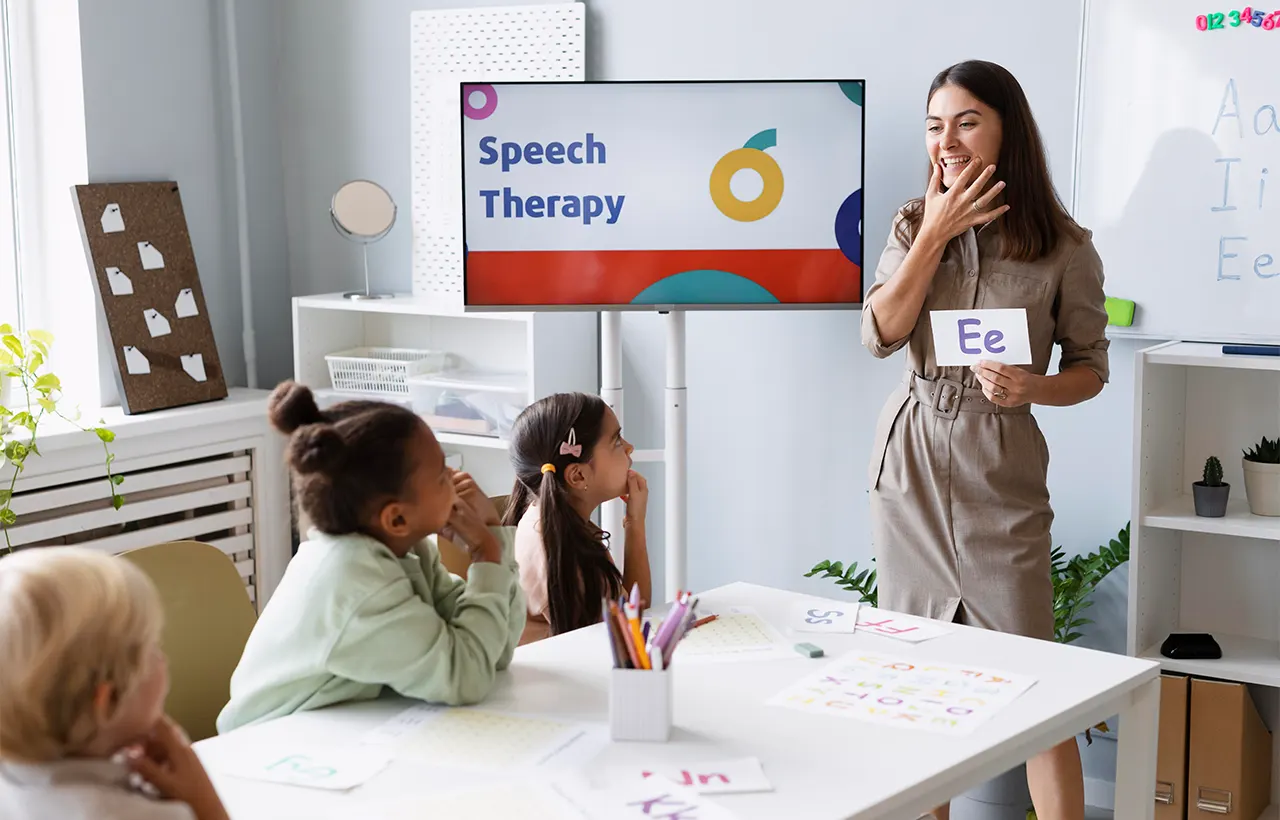
Teachers should prepare visual teaching materials such as flashcards, posters, and images. These aids are especially helpful for students who may struggle to understand spoken instructions, allowing them to grasp the lesson through visual context.
4. Maintain High Energy and Classroom Presence
Handling a large and active class requires teachers to be energetic, confident, and responsive. Strong classroom presence helps maintain discipline and encourages student engagement throughout the lesson.
5. Focus on Developing Speaking Skills
As conversation teachers, the primary goal is to improve students’ speaking abilities. This goes beyond simple question-and-answer routines between teacher and student. Activities should be designed to promote peer interaction and spontaneous speaking.
6. Apply Interactive Speaking Activities
While role plays and storytelling are common speaking exercises, teachers should first introduce peer-based activities. For example, students can walk around the classroom, find a partner, and ask questions. This helps them become familiar with conversational formats and builds confidence in responding naturally.
Tips for Education
Promote Student-Centered Learning.
Encourage active participation rather than passive listening.
Use questioning techniques that invite critical thinking and personal expression.
Allow students to explore topics through projects, discussions, and peer teaching.
Foster a Positive Learning Environment.
Create a classroom culture of respect, encouragement, and inclusivity.
Celebrate small achievements to build student confidence.
Integrate Life Skills and Values Education.
Teach communication, teamwork, problem-solving, and emotional intelligence.
Embed values like honesty, empathy, and responsibility into daily lessons.
Use real-life scenarios to help students apply what they learn beyond the classroom.
Monitor Progress and Provide Feedback.
Use simple formative assessments like exit tickets, quizzes, or peer reviews.
Give constructive feedback that helps students improve without discouraging them.
Track attendance and participation to identify students who may need extra support.
Encourage Students to Speak Every Day
Give students short, daily speaking tasks—like greeting a partner, asking a question, or sharing one sentence about their day. This builds confidence and makes speaking English a habit.
Tips for Students
Promote Student-Centered Learning.
Encourage active participation rather than passive listening.
Use questioning techniques that invite critical thinking and personal expression.
Allow students to explore topics through projects, discussions, and peer teaching.
Foster a Positive Learning Environment.
Create a classroom culture of respect, encouragement, and inclusivity.
Celebrate small achievements to build student confidence.
Integrate Life Skills and Values Education.
Teach communication, teamwork, problem-solving, and emotional intelligence.
Embed values like honesty, empathy, and responsibility into daily lessons.
Use real-life scenarios to help students apply what they learn beyond the classroom.
Monitor Progress and Provide Feedback.
Use simple formative assessments like exit tickets, quizzes, or peer reviews.
Give constructive feedback that helps students improve without discouraging them.
Track attendance and participation to identify students who may need extra support.
Encourage Students to Speak Every Day
Give students short, daily speaking tasks—like greeting a partner, asking a question, or sharing one sentence about their day. This builds confidence and makes speaking English a habit.
Do you know?
An octopus has three hearts and blue blood.
Do you know?
Bees can recognize human faces—they’re smarter than we think.
Do you know?
A giraffe’s neck has the same number of bones as a human neck: just seven!
Do you know?
Talking to students using open-ended questions helps develop critical thinking and language skills more than yes/no questions.
Do you know?
Creative activities (like drawing or storytelling) can improve memory and understanding—especially for younger learners.